Prenatal androgen exposure in girls - gender related behaviour

An interesting topic I was previously unaware of.


CAH: genetic condition classic congenital adrenal hyperplasia, characterized by an enzymatic deficiency, typically in 21 hydroxylase, and this deficiency results in a reduced ability to produce cortisol.

girls with CAH showed reduced positive responses to information indicating that particular toy or object choices were appropriate for girls

Compared to other girls, they are less likely to play with toys typically chosen by girls and more likely to play with toys typically chosen by boys [9,10,29]. In addition, although most women with CAH have a female gender identity, they are more likely than other women to change to live as men, with about 1–2 in 100 doing so, compared to about 1 in tens of thousands in the general population [2,28,30,31]. In addition, girls and women with CAH report reduced satisfaction with the female gender role compared with other females [32,33], and girls with CAH have been found to have significantly reduced female-typical gender identity [34]. Given this reduced satisfaction with the female gender role and reduced female-typical gender identity, girls with CAH might be expected to show reduced self-socialization of gender-typical behaviour.


findings suggest that prenatal androgen exposure may influence subsequent gender-related behaviours, including object (toy) choices

Melissa Hines, Vickie Pasterski, Debra Spencer, Sharon Neufeld, Praveetha Patalay, Peter C. Hindmarsh, Ieuan A. Hughes, Carlo L. Acerini; Prenatal androgen exposure alters girls' responses to information indicating gender-appropriate behaviour. Philos Trans R Soc Lond B Biol Sci 19 February 2016; 371 (1688): 20150125. https://doi.org/10.1098/rstb.2015.0125


How do you get exposed to androgens?

Individuals exposed to atypical concentrations of testosterone or other androgenic hormones prenatally, for example, because of genetic conditions or because their mothers were prescribed hormones during pregnancy

Hines M, Constantinescu M, Spencer D. Early androgen exposure and human gender development. Biol Sex Differ. 2015 Feb 26;6:3. doi: 10.1186/s13293-015-0022-1. PMID: 25745554; PMCID: PMC4350266.


Comparison between Autism and Narcissism

https://www.abtaba.com/blog/autism-and-narcissism

Similarities between Autism and Narcissism

Despite their differences, Autism and Narcissism share some similarities.

Rigidity

Both Autism and Narcissism may involve rigidity in thinking or behavior. People with Autism may become fixated on certain interests or routines, while people with Narcissism may have a rigid sense of self or beliefs.

Sensory Sensitivities

People with Autism may experience sensory sensitivities or interests, such as sensitivity to loud noises or fascination with certain textures. People with Narcissism may also have sensory sensitivities, such as an obsession with appearance or grooming.

Differences between Autism and Narcissism

The main differences between Autism and Narcissism lie in communication, social interactions, and empathy.

Communication

People with Autism may have difficulty with communication, both verbal and nonverbal. They may struggle to understand social cues, gestures, or tone of voice. In contrast, people with Narcissism may have excellent communication skills but may use language to manipulate or control others.

Social Interactions

People with Autism may struggle with social interactions and may have difficulty making friends or understanding social norms. They may also have a limited range of interests or repetitive behaviors. In contrast, people with Narcissism may have a superficial charm and may seek social status or attention.

Empathy

People with Autism may struggle with empathy or identifying the emotions of others. In contrast, people with Narcissism may lack empathy altogether.

Signs of Autism in Children

  • Delayed or absent speech

  • Difficulty with social interactions, such as making eye contact or responding appropriately to others

  • Repetitive behaviors or routines

  • Sensory sensitivities, such as reacting negatively to certain textures or sounds

  • Fixation on specific interests or topics

Signs of Autism in Adults

  • Difficulty with communication, including understanding sarcasm or nonverbal cues

  • Difficulty forming and maintaining relationships

  • Sensory sensitivities that may affect daily life

  • Repetitive behaviors, routines, or thoughts

Signs of Narcissism in Children

  • Exaggerated sense of self-importance or abilities

  • Lack of empathy towards others

  • Need for constant attention and admiration from others

  • Entitled attitude towards others and their needs

  • Using others to achieve their goals

Signs of Narcissism in Adults

  • An inflated sense of self-importance

  • Preoccupation with success, power, beauty or other physical attributes

  • A tendency to manipulate people for personal gain

  • A lack of empathy towards others

  • An obsessive need for admiration from others

Bold speculation - extreme creativity related to schizophrenia ?

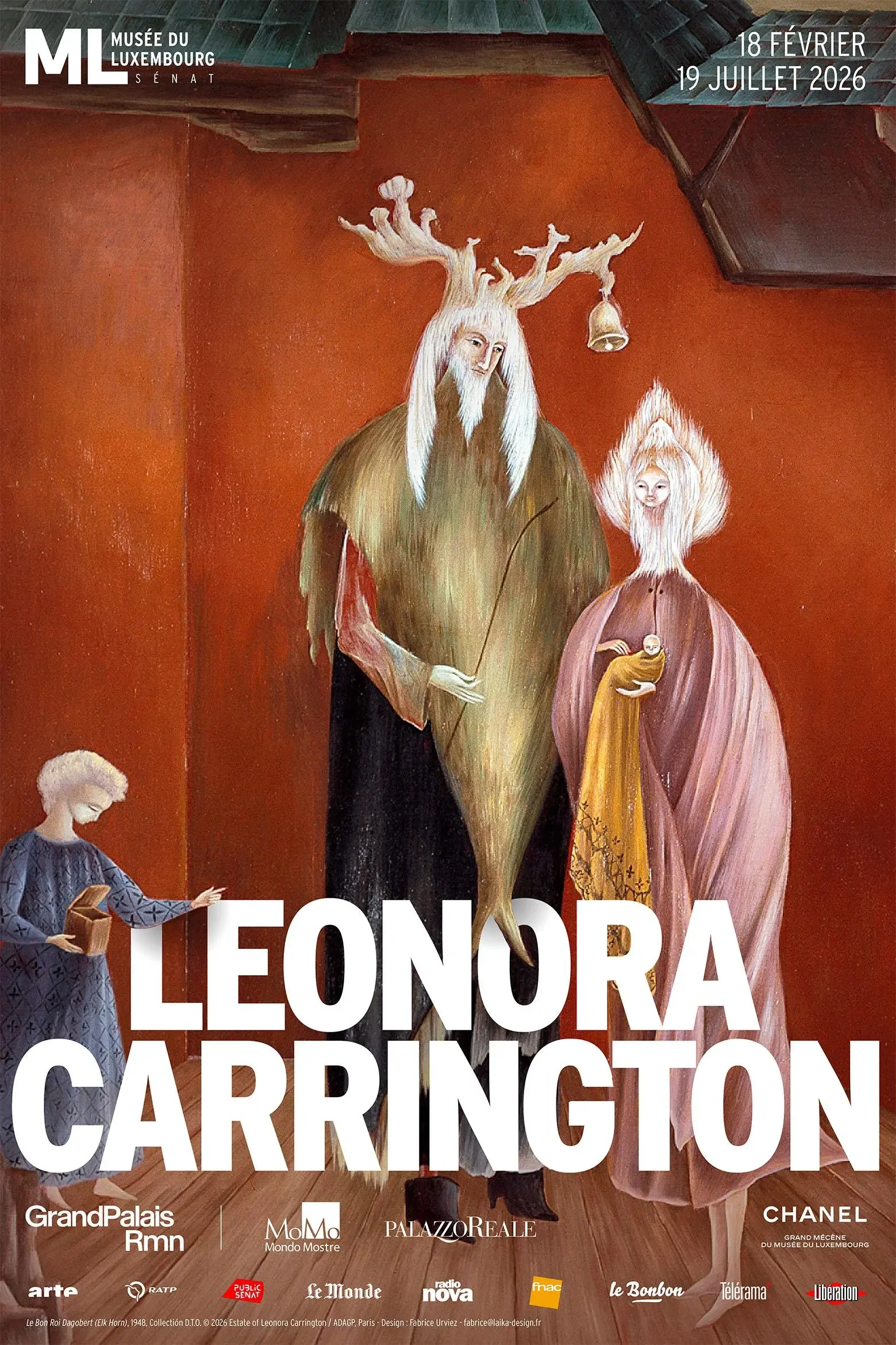
I had this thought during the exhibition visit of surrealist artist Leonara Carrington. Grew up in England from a textile family with an irish mother and three brothers, she had an eventful life before even reaching the age of 30. Frequently moved around (In Paris, Florenze, Madrid, South of France in her youth…) meeting her then-lover-mentor Ernst and living through the WWII, fleeding to Spain where she was raped by soldiers finally resulted her being sent to psychological institution by her parent before escaping Europe and finally moving to Mexico where she spent a good part of the rest of her life.

No doubt the stressful life event and trauma would have caused her some psychological disturbances. But I noticed that she had shown a vivid picturestic imagination since early age. Her doodle book at the age of 10 was filled with fairytale monsters and mysterious creatures in stranger lands. Her watercolour paintings at the age of 15 showed a mixture of fictional characters that are human-like humanroids clearly distinguishable from “us”. One can certainly argue that she was heavily inspired by the likes of folklores, myths, tarot cards, religious stories, but to have these images and being able to reproduce them brings me the question of - whether or not she saw them in her head? Does this sound familiar to common symptoms of schizophrenia, notability, hallucinations?

Stretching far into my personal experience, the inspirational source of my own artworks are almost always coming from a ‘database’ of imageries pre-stored in my brain. They are randomly appearing like a projection into the ‘frontal’ part of my head as inspirations come. Drawing on a blank piece of paper is almost similar to the experience of tracing a shape or object or creature from an existing projection.

Le Bon Roi Dagobert (Elk Horn), 1948 © 2026 Estate of Leonora Carrington / ADAGP, Paris

How to differentiate early childhood depression with ADHD?

Refering to the content of Chapter 15 Developmental Psychology 2nd Edition, Leman. 2019.

Depression symptoms amongst young children (aged 3 or less) may show similar symptoms as of ADHD - anxiety, hyperactivity, loss of appetite, low weight, attention deficit. They are rarely properly diagnosed.

How to differentiate the two disorders and minimise misdiagnose?

Header

This space is dedicated to random thoughts and bites that came along during my psychology-related study and researches. It’s important to note that the content here are not to be used for research purposes due to the lack of accredited evidence and sources.

Some ideas may be elaborated in future settings under clinical environments, after consent is approved. In all other cases, quoting content from this blog should be avoided or minimised, or with clear disclosure.